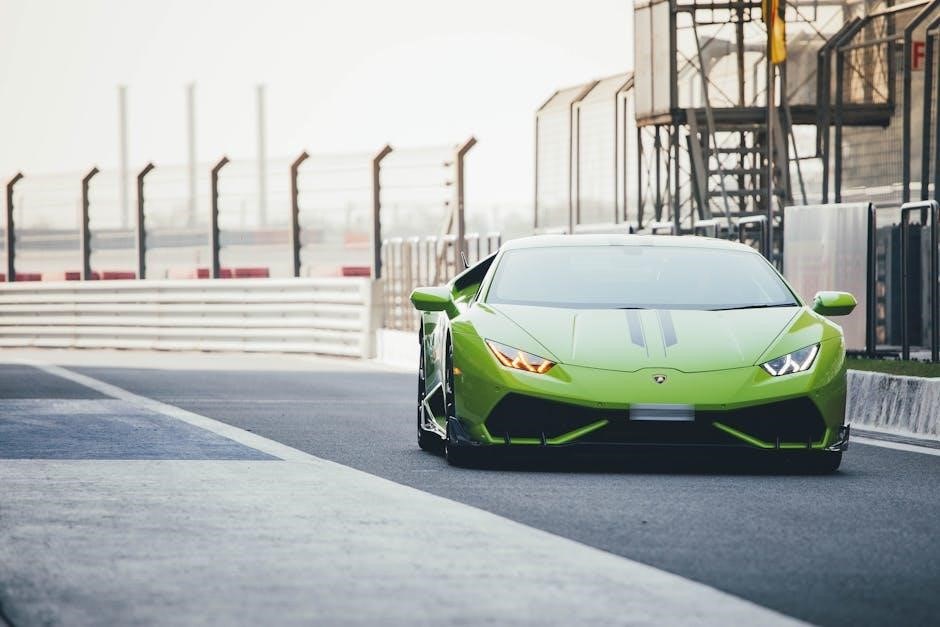
Lamborghini Manual Shifters: A Disappearing Breed
Lamborghini’s commitment to exhilarating driving experiences historically included manual transmissions‚ yet a shift towards automated systems signals a fading era for stick-shift Lamborghinis.
Enthusiasts lament the loss‚ while the manufacturer prioritizes performance gains through advanced technologies‚ marking a significant change in the brand’s dynamic evolution.
Historical Context of Manual Transmissions in Lamborghini
Lamborghini’s early history was deeply intertwined with the visceral engagement of manual transmissions. Founded in 1963‚ the company initially focused on building grand touring cars that demanded driver involvement. These early models‚ designed to challenge Ferrari‚ were almost exclusively offered with manual gearboxes‚ reflecting the prevailing preference among performance car enthusiasts of the time.
The manual transmission wasn’t merely a mechanical component; it was integral to the Lamborghini driving experience‚ fostering a direct connection between driver and machine. This emphasis on driver control continued through the 1970s and 80s‚ with iconic models like the Countach and Diablo offering engaging manual options. However‚ as automotive technology advanced‚ the landscape began to shift‚ paving the way for automated systems that promised faster shifts and increased efficiency. The manual gearbox‚ while cherished‚ faced increasing competition from these innovations.
This historical context is crucial for understanding the current situation‚ where manual Lamborghinis are increasingly rare and highly sought after by collectors.
Early Lamborghini Models with Manual Gearboxes
Lamborghini’s formative years saw a consistent offering of manual transmissions across its model range. The 350 GT‚ launched in 1964‚ was exclusively available with a five-speed manual‚ establishing a tradition of driver-focused engineering. This continued with the 400 GT‚ further refining the experience. The iconic Miura‚ debuting in 1966‚ also featured a manual gearbox‚ celebrated for its responsiveness and direct feel.
As the company evolved‚ the Espada and Jarama maintained the manual option‚ catering to enthusiasts who valued control. The Countach‚ arriving in the 1970s‚ became synonymous with the manual experience‚ offering a raw and engaging drive. Even the Diablo‚ in its early iterations‚ provided a five-speed manual alongside the emerging automatic options. These early models represent a golden age for manual Lamborghinis‚ embodying the brand’s original spirit of performance and driver connection.
These cars are now highly collectible‚ representing a significant piece of automotive history.
The Appeal of a Manual Lamborghini
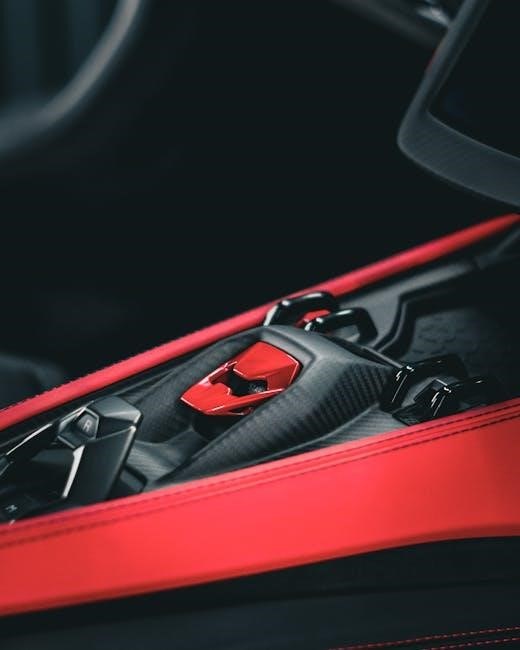
A manual Lamborghini offers a uniquely visceral driving experience‚ fostering a direct connection between driver and machine. The engagement required to master the clutch‚ shifter‚ and throttle provides a level of control absent in automated systems. This tactile involvement heightens the senses‚ amplifying the thrill of piloting a high-performance supercar.
For many enthusiasts‚ a manual gearbox isn’t merely a transmission choice; it’s a fundamental aspect of the driving experience‚ demanding skill and rewarding precision. The ability to select the optimal gear for any situation enhances performance and provides a sense of accomplishment. Beyond performance‚ a manual Lamborghini embodies a purist philosophy‚ appealing to those who value driver skill and a more analog experience. It’s a celebration of the art of driving‚ a connection to a bygone era of automotive passion.
This appeal continues to drive demand in the collector’s market.
The Decline of the Manual Lamborghini
Shifting consumer preferences‚ coupled with the rise of dual-clutch transmissions‚ have led Lamborghini to prioritize performance and automation over traditional manual gearboxes.
This transition reflects evolving market demands and technological advancements.
Shifting Consumer Preferences
Historically‚ a manual transmission was considered essential for a true driving experience‚ particularly within the realm of high-performance vehicles like Lamborghinis. However‚ consumer tastes have demonstrably evolved. A growing segment of buyers now prioritize seamless gear changes‚ quicker acceleration times‚ and the convenience offered by automated transmissions.
This shift isn’t limited to Lamborghini’s clientele; it’s a broader trend across the automotive industry. Drivers increasingly seek ease of use‚ especially in daily driving scenarios. The demand for manual transmissions has steadily decreased‚ impacting manufacturers’ production decisions. Lamborghini‚ responding to market forces‚ has focused on technologies that cater to this evolving preference‚ ultimately leading to the phasing out of manual options in their lineup.
The perception of manual transmissions as requiring greater driver skill also plays a role‚ with some consumers preferring the accessibility of automatic systems.
Rise of Dual-Clutch Transmissions (DCTs)
Dual-clutch transmissions (DCTs) emerged as a compelling alternative to both traditional manual and automatic gearboxes‚ rapidly gaining prominence in the high-performance automotive sector. DCTs offer incredibly fast and smooth gear changes‚ often surpassing the speed and efficiency achievable by even the most skilled manual drivers.
Lamborghini embraced DCT technology as a means of enhancing performance and delivering a more engaging driving experience. These transmissions provide near-instantaneous shifts‚ minimizing power interruption and maximizing acceleration. The appeal of DCTs lies in their ability to combine the control and responsiveness of a manual with the convenience of an automatic.
As DCTs matured and became more refined‚ they presented a significant advantage over manual transmissions in terms of overall performance metrics‚ influencing Lamborghini’s strategic shift.
Lamborghini’s Focus on Performance and Automation
Lamborghini has consistently prioritized pushing the boundaries of performance‚ and this pursuit has driven a growing emphasis on automation in its vehicles. The company’s engineering philosophy centers around maximizing speed‚ acceleration‚ and overall driving dynamics‚ leading to the adoption of technologies that enhance these aspects.
Advanced driver assistance systems (ADAS) and sophisticated electronic controls are now integral to the Lamborghini experience. These systems optimize engine management‚ traction control‚ and stability‚ resulting in superior on-track and on-road performance. The integration of automation allows for more precise and consistent driving‚ appealing to a broader customer base.
This dedication to performance and automation ultimately contributed to the phasing out of manual transmissions‚ as DCTs and other automated systems offered quantifiable advantages in speed and efficiency.
Specific Lamborghini Models and Manual Options
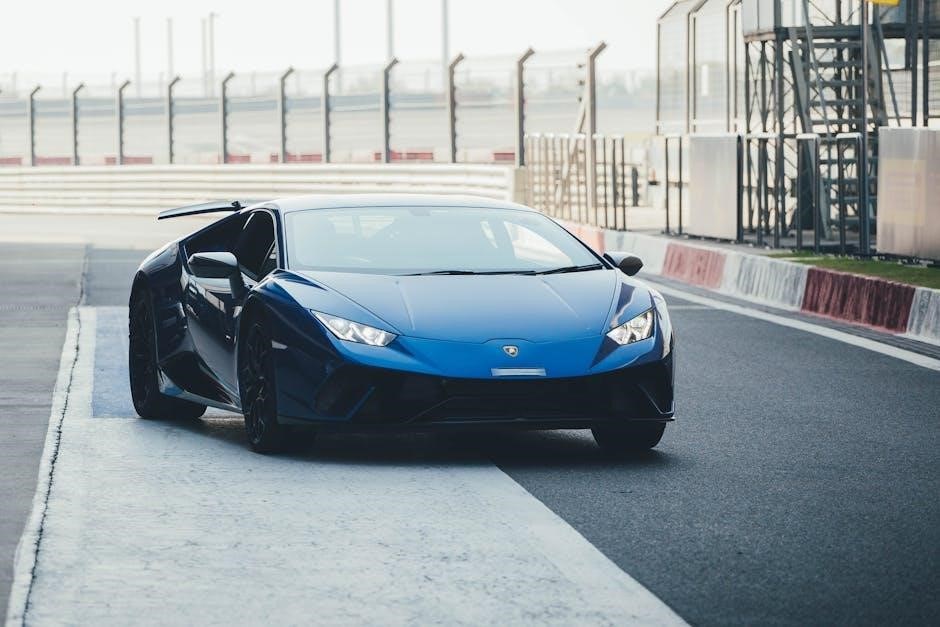
Lamborghini offered manual transmissions in select models like the Diablo and Gallardo‚ with the Murciélago representing the final V12 available with a traditional stick shift.
These models catered to purists seeking a direct connection to the driving experience.
Murciélago: The Last V12 with a Manual
The Lamborghini Murciélago stands as a pivotal model‚ representing the last opportunity for enthusiasts to experience a V12 Lamborghini with a traditional manual gearbox. Produced from 2001 to 2010‚ the Murciélago offered a six-speed manual transmission as an option‚ appealing to drivers who preferred complete control over gear selection.
This configuration is now highly sought after by collectors‚ as subsequent V12 models‚ like the Aventador and Revuelto‚ exclusively adopted automated transmission systems; The manual Murciélago delivers a raw and engaging driving experience‚ fostering a deeper connection between driver and machine.
Few examples of this configuration exist‚ particularly those with low mileage‚ making them incredibly valuable in the collector’s market. The Murciélago’s legacy is cemented as the final chapter in Lamborghini’s V12 manual transmission story‚ a cherished piece of automotive history.
Gallardo: Manual Availability and Variations
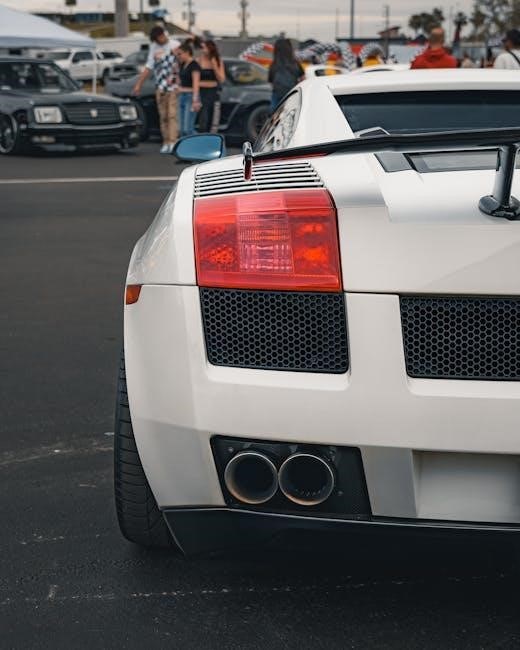
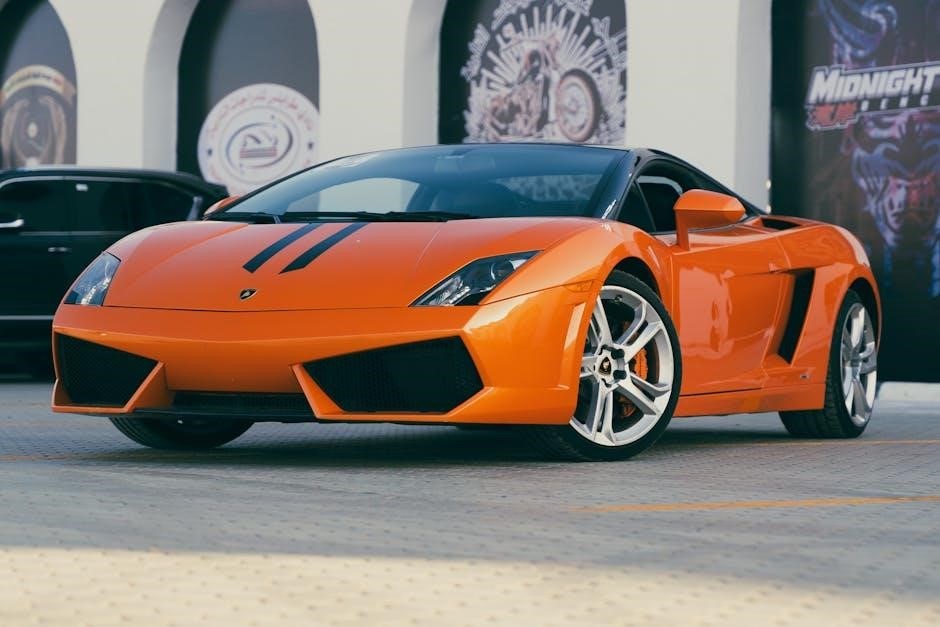
The Lamborghini Gallardo‚ produced from 2003 to 2013‚ offered a more widespread availability of manual transmissions compared to its V12 counterparts. While not available in all Gallardo variants‚ a six-speed manual was a consistent option throughout much of its production run‚ catering to a broader range of driving preferences.
Different sub-models‚ such as the Gallardo Spyder and various special editions‚ sometimes featured limited manual availability‚ adding to the complexity for collectors. The manual Gallardo provided a more accessible entry point into the world of manual-shift Lamborghinis‚ offering a thrilling experience in a smaller‚ more agile package.
Its relative abundance compared to the Murciélago means it remains a more attainable option for enthusiasts seeking a manual Lamborghini‚ though well-maintained examples are steadily increasing in value.
Diablo: Early Manual Options and Significance
The Lamborghini Diablo‚ launched in 1990‚ represented a crucial period for manual transmissions within the brand. Early Diablo models were predominantly offered with a five-speed manual gearbox‚ establishing a strong connection to traditional driving engagement. This was a defining characteristic for the Diablo‚ appealing to purists who favored direct control over the vehicle’s power.
The availability of a manual transmission in the Diablo signified Lamborghini’s continued recognition of the importance of driver involvement‚ even as technology advanced. Later iterations saw the introduction of an optional automatic‚ but the manual remained a significant part of the Diablo’s identity.
The Diablo’s manual option is highly sought after by collectors today‚ representing a pivotal era in Lamborghini’s history and a raw‚ visceral driving experience.
The Aftermarket and Manual Conversions
Despite Lamborghini’s discontinuation of manual options‚ dedicated firms specialize in complex conversions‚ offering enthusiasts a pathway to experience a stick-shift Lamborghini‚ albeit expensively.
These conversions present significant engineering hurdles and substantial financial investments.
Challenges of Converting Modern Lamborghinis
Converting a modern Lamborghini to a manual transmission is a profoundly complex undertaking‚ far exceeding a simple gearbox swap. These vehicles are deeply integrated with electronic control units (ECUs) designed exclusively for automated systems. Retaining functionality like traction control‚ ABS‚ and even the instrument cluster requires extensive rewiring and custom software development.
The lack of factory mounting points for a manual shifter and clutch pedal assembly necessitates significant fabrication work‚ potentially compromising structural integrity. Furthermore‚ sourcing compatible components – not just the gearbox itself‚ but also the clutch‚ flywheel‚ and related hardware – can be incredibly difficult and expensive. Compatibility issues often arise due to the high-performance nature of Lamborghini engines and the unique demands placed on the drivetrain.
Successfully completing such a conversion demands a team of highly skilled technicians with specialized knowledge of Lamborghini’s systems and a willingness to tackle substantial engineering challenges. It’s a project best left to professionals‚ and even then‚ it’s not without risk.
Companies Specializing in Manual Conversions
Several specialized firms have emerged catering to the niche demand for manual Lamborghini conversions‚ though options remain limited and geographically concentrated. European Auto Group (EAG) in Florida is a prominent name‚ known for its expertise in complex Lamborghini modifications‚ including full manual transmission swaps.
Lamborghini Philadelphia‚ surprisingly‚ has also undertaken such projects‚ demonstrating a willingness to cater to dedicated enthusiasts. Other smaller‚ independent shops across the US and Europe occasionally offer conversion services‚ but verifying their experience and capabilities is crucial.
These companies typically provide a complete package‚ encompassing parts sourcing‚ fabrication‚ ECU recalibration‚ and installation. However‚ prospective clients should expect a significant investment‚ both in terms of cost and time. Thorough research and detailed consultations are essential before committing to a conversion project.
Cost and Complexity of Conversions
Converting a modern Lamborghini to a manual transmission is an exceptionally complex and expensive undertaking‚ far exceeding the cost of typical modifications. Expect a total investment ranging from $20‚000 to $40‚000 or even higher‚ depending on the model and the extent of customization.
The complexity stems from the extensive electronic integration within modern Lamborghinis; simply swapping the gearbox isn’t sufficient. Significant rewiring‚ custom ECU programming‚ and potentially fabricating bespoke components are required. Sourcing a compatible manual gearbox and related parts can also prove challenging and costly.
Furthermore‚ the process often necessitates modifications to the center console‚ pedal box‚ and potentially the driveshaft. It’s a project best left to highly skilled technicians with specific Lamborghini experience‚ as errors can lead to significant mechanical issues and compromise vehicle reliability.
The Future of Manual Transmissions at Lamborghini
Lamborghini currently shows no intention of reintroducing manual gearboxes‚ prioritizing automated systems for performance; however‚ limited-edition models aren’t entirely ruled out for enthusiasts.
Despite passionate demand‚ the brand’s focus remains on technological advancement and the advantages of dual-clutch technology.
Lamborghini’s Stance on Manual Gearboxes (2026)
As of May 4th‚ 2026‚ Lamborghini has firmly stated there are no plans to offer manual transmissions in any of its current or future production models. This decision reflects a strategic shift towards maximizing performance through advanced technologies‚ specifically dual-clutch transmissions (DCTs). Company executives emphasize that DCTs consistently deliver faster shift times and improved track performance‚ aligning with Lamborghini’s core brand identity.
While acknowledging the passionate desire among some enthusiasts for a manual option‚ Lamborghini maintains that the majority of its customer base prioritizes the enhanced driving experience provided by automated gearboxes. The brand believes that DCTs offer a more engaging and accessible performance for a wider range of drivers.
Furthermore‚ the complexities and costs associated with developing and integrating a manual transmission into modern Lamborghini vehicles‚ designed around DCT architecture‚ are considered prohibitive. The focus remains on pushing the boundaries of automated performance‚ rather than revisiting a technology deemed less efficient and less aligned with the brand’s future direction.
Potential for Limited-Edition Manual Models
Despite Lamborghini’s firm stance against offering manual transmissions in its regular lineup‚ the possibility of extremely limited-edition models catering to enthusiast demand hasn’t been entirely dismissed. Industry speculation suggests that a highly exclusive‚ low-volume run of a future flagship model could feature a manual gearbox.
However‚ any such offering would likely be positioned as a “farewell to manual” tribute‚ rather than a signal of a broader shift in strategy. The production numbers would be exceptionally small‚ and the price point significantly higher than standard models‚ making it accessible only to dedicated collectors.
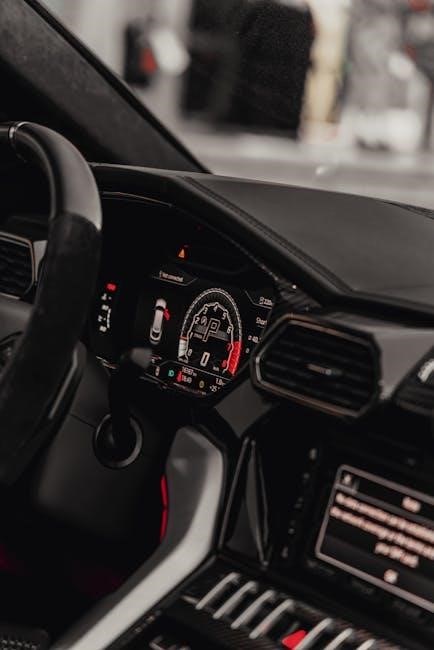
Lamborghini executives have hinted that such a decision would depend heavily on market analysis and the potential for generating significant brand excitement. It remains a long shot‚ contingent on demonstrating sufficient demand and justifying the substantial engineering and production costs involved in creating a manual option.
The Enthusiast Response to the Lack of Manual Options
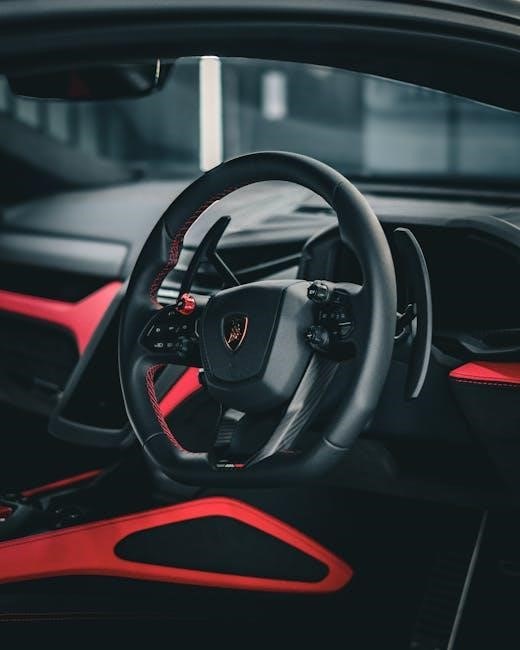
The absence of manual transmissions in Lamborghini’s current offerings has sparked considerable disappointment and frustration among purist enthusiasts. Online forums and social media platforms are filled with discussions lamenting the loss of driver engagement and control traditionally associated with a stick shift.
Many argue that a manual gearbox is integral to the Lamborghini experience‚ providing a more visceral and connected driving sensation. While acknowledging the performance benefits of dual-clutch transmissions‚ enthusiasts believe these automated systems lack the emotional depth of a manual.
This discontent has fueled a growing aftermarket demand for manual conversions‚ demonstrating a willingness among owners to invest significant resources in restoring the traditional driving experience. The passionate response underscores the enduring appeal of manual transmissions within the Lamborghini community.
Preserving the Legacy of Manual Lamborghinis
Manual Lamborghini models are increasingly valued by collectors‚ representing a unique era of driver-focused engineering and offering a tangible link to the brand’s heritage.
Dedicated resources and communities support owners in maintaining these rare vehicles‚ ensuring their continued enjoyment for generations to come.
Collecting and Maintaining Manual Lamborghini Models
Collecting a manual Lamborghini is entering a specialized realm‚ driven by rarity and a desire for a purist driving experience. Models like the Murciélago and Gallardo‚ offered with manual transmissions‚ command significant premiums in the collector’s market‚ especially those with low mileage and documented histories.
Maintenance is paramount. These exotic machines require specialized knowledge and often‚ parts sourced directly from Lamborghini or reputable specialists. Regular servicing‚ including fluid changes‚ brake inspections‚ and thorough mechanical checks‚ is crucial. Due to their age‚ rubber components and potentially even electronics may require attention.
Finding qualified technicians familiar with these vehicles is essential. Owners often join online forums and communities to share knowledge‚ locate parts‚ and connect with experienced mechanics. Proactive maintenance prevents costly repairs and preserves the vehicle’s value‚ ensuring these iconic cars remain thrilling to drive for years to come.
The Value of Manual Lamborghinis in the Collector’s Market
Manual Lamborghini models are experiencing a surge in value within the collector’s market‚ driven by increasing demand from enthusiasts seeking a raw‚ engaging driving experience. As Lamborghini ceases production of manual transmissions‚ existing models become increasingly rare and desirable.
Specifically‚ the Murciélago and Gallardo with manual gearboxes command substantial premiums over their automatic counterparts. Condition‚ mileage‚ and provenance significantly impact price‚ with low-mileage‚ well-maintained examples fetching the highest figures. Limited-edition variants further amplify this trend.
The appeal extends beyond mere rarity; it represents a connection to a bygone era of automotive engagement. Investment potential is strong‚ as these cars are poised to appreciate further as the automotive landscape shifts towards automation. Expert valuation and careful acquisition are key for collectors seeking to capitalize on this growing market.
Resources for Manual Lamborghini Owners and Enthusiasts
Lamborghini manual transmission owners and enthusiasts benefit from a growing network of dedicated resources. Online forums‚ such as LamborghiniTalk and 6SpeedOnline‚ provide platforms for sharing knowledge‚ troubleshooting issues‚ and connecting with fellow owners. These communities offer invaluable insights into maintenance‚ repair‚ and modification.
Specialist workshops‚ like those specializing in European performance cars‚ are crucial for servicing these complex vehicles. Parts availability can be challenging‚ necessitating reliance on reputable suppliers and aftermarket specialists. Several companies focus on Lamborghini-specific parts and restoration services.
Furthermore‚ dedicated social media groups and enthusiast clubs organize events and gatherings‚ fostering a sense of community. Websites dedicated to classic and exotic cars often feature articles and resources specifically for Lamborghini manual models‚ aiding in preservation and appreciation.