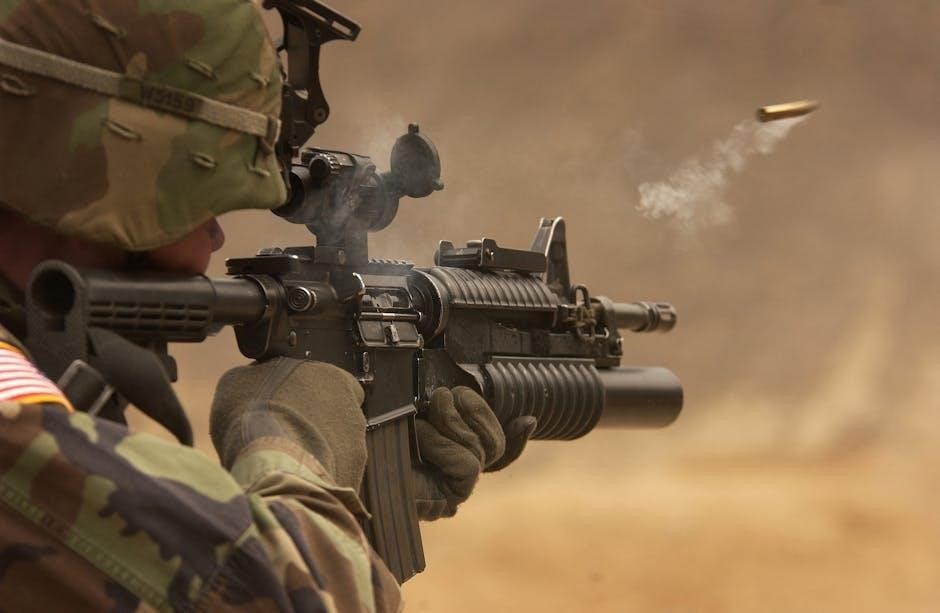
Tank Tactics Guide in Urban Warfare: A Comprehensive Plan
This document details essential strategies for employing tanks effectively within complex urban environments, maximizing their strengths while mitigating inherent risks.
Urban warfare presents a uniquely challenging environment for armored vehicles, demanding a departure from traditional open-terrain tactics. The constricted spaces, complex building structures, and dense civilian populations dramatically alter the dynamics of combat, requiring specialized approaches to maximize tank effectiveness and minimize collateral damage.
Historically, tank employment in cities has been fraught with difficulties, often resulting in significant vehicle losses and protracted engagements. From the battles of Stalingrad to Grozny and more recent conflicts, urban landscapes have consistently proven to be formidable obstacles for armored forces. Understanding these historical lessons is crucial for developing effective modern strategies.
Defining “urban” is also critical; it isn’t simply a city center. It encompasses varying degrees of built-up areas – from sprawling suburban zones to dense, irregular settlements – each presenting distinct tactical considerations. This guide will address these nuances.
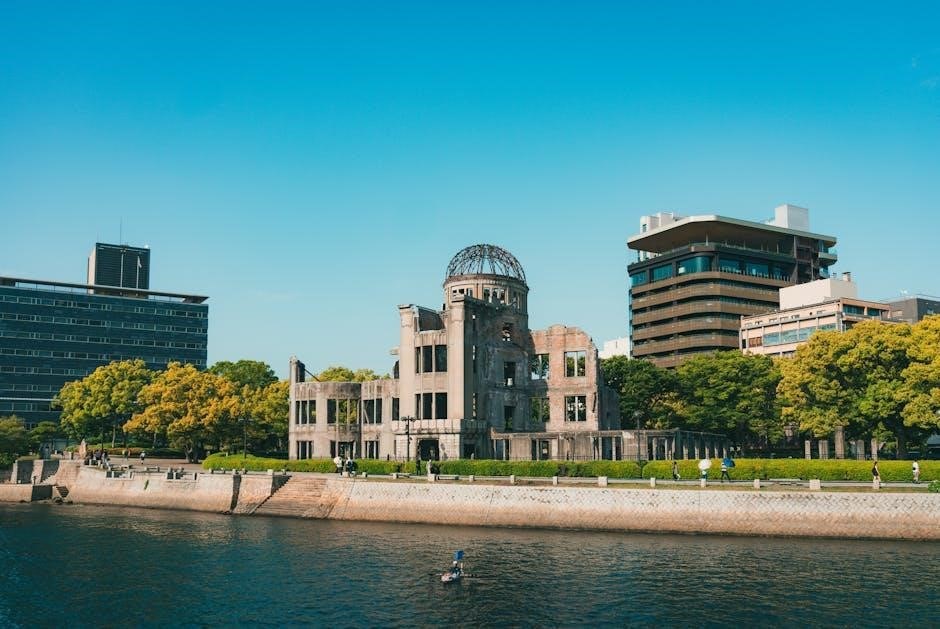
A. The Unique Challenges of City Fighting
City fighting drastically limits a tank’s operational advantages. Unlike open terrain, urban environments negate the tank’s speed and long-range firepower, forcing engagements at close quarters where vulnerabilities are magnified. Buildings create numerous dead spaces and ambush opportunities, severely restricting visibility and situational awareness for tank crews.
The presence of civilians adds a significant layer of complexity, demanding extreme caution to avoid collateral damage and maintain operational legitimacy. Navigating narrow streets and rubble-strewn avenues presents mobility challenges, while infrastructure like bridges and tunnels become potential chokepoints and targets.
Furthermore, the urban landscape amplifies acoustic effects, making it difficult to discern enemy movements. The threat of close-range anti-tank weapons, like RPGs, is ever-present, requiring constant vigilance and proactive defensive measures.
B. Historical Overview: Tank Employment in Urban Environments
Early tank deployments in urban settings, like World War I, revealed significant limitations. Initial tactics often involved direct assaults down streets, resulting in costly attrition against entrenched defenders. The Spanish Civil War (1936-1939) showcased the effectiveness of tanks supporting infantry in building-to-building combat, but also highlighted their vulnerability to close-range attacks.
World War II witnessed more sophisticated, though still imperfect, urban tank warfare. The battles for Stalingrad and Berlin demonstrated the necessity of combined arms tactics and careful building clearance. Post-war conflicts, including the Vietnam War and more recent engagements in Iraq and Syria, further refined these lessons.
These historical examples consistently emphasize the need for adaptability, infantry support, and a cautious approach to exploiting tank capabilities within the confines of urban terrain.
C. Defining “Urban”: Varying Degrees of Built-Up Areas
The term “urban” encompasses a spectrum of environments, significantly impacting tank employment. A completely devastated city presents different challenges than a modern, intact urban center. We categorize urban terrain into three primary levels: Open Urban – areas with scattered buildings and wide streets, allowing relatively free movement. Restricted Urban – characterized by denser building layouts, narrow streets, and potential for barricades, limiting mobility.

Confined Urban – the most challenging, featuring extremely dense construction, rubble-strewn streets, and limited lines of sight. Each level demands distinct tactical approaches.
Understanding these distinctions is crucial. Tactics effective in Open Urban may prove disastrous in Confined Urban. Terrain analysis must accurately assess the degree of built-up area to inform operational planning and minimize risk to tank crews and supporting forces.
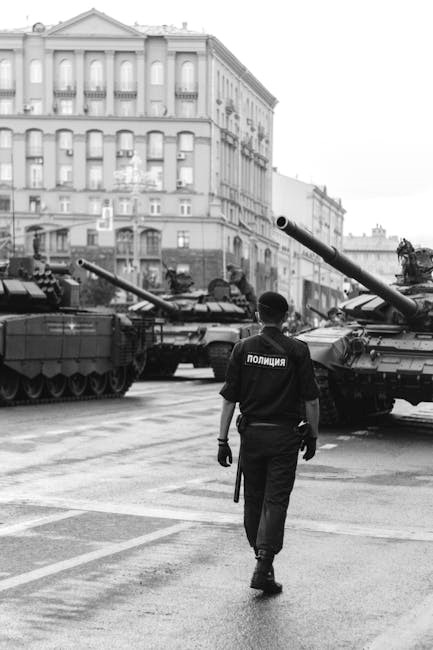
II. Tank Capabilities & Limitations in Urban Terrain
Tanks possess formidable firepower and armor, yet urban environments severely constrain their operational advantages. While direct fire capabilities remain potent against fortified positions and enemy vehicles, indirect fire is often restricted due to the risk of collateral damage and limited observation points. Mobility is drastically reduced; streets become kill zones, and rubble presents significant obstacles.
Survivability is paramount. Urban areas amplify ambush threats, with RPGs and anti-tank weapons posing a constant danger. Limited visibility hinders threat detection, and the close proximity of buildings offers concealment for enemy forces. Effective urban tank tactics necessitate a careful balance between utilizing capabilities and mitigating these inherent limitations.
A. Firepower Considerations: Direct vs. Indirect Fire
Tank firepower in urban settings demands nuanced application. Direct fire, utilizing the main gun and coaxial machine gun, excels against visible targets – enemy infantry, fortified positions, and other vehicles. However, its effectiveness is limited by obstructed views and the potential for civilian casualties. Indirect fire, employing the tank’s gun for lobbed projectiles, is often restricted due to the high risk of collateral damage within densely populated areas.
Precise targeting is crucial. Utilizing advanced fire control systems and careful observation is essential to minimize unintended consequences. Commanders must weigh the tactical benefit of indirect fire against the potential for negative repercussions, often favoring direct fire solutions whenever feasible. Prioritization of target engagement is also vital.
B. Mobility Restrictions: Obstacles & Chokepoints
Urban terrain severely restricts tank mobility. Streets become potential kill zones, and buildings create numerous obstacles and chokepoints. Debris, barricades, and destroyed vehicles impede movement, forcing tanks into predictable routes easily exploited by the enemy. Narrow streets limit maneuverability, preventing effective hull-down positions and increasing vulnerability to flanking attacks.
Careful route planning is paramount. Identifying potential obstacles and chokepoints before advancing is crucial. Engineers may be required to clear paths, while infantry support is essential for providing overwatch and security during movement. Tanks must avoid becoming canalized, seeking alternative routes whenever possible to maintain tactical flexibility and minimize exposure to enemy fire.
C. Survivability Concerns: Ambush Threats & RPGs
Urban environments dramatically increase ambush threats to tanks. Buildings provide concealed firing positions for enemy infantry equipped with anti-tank weapons, particularly Rocket-Propelled Grenades (RPGs). These weapons pose a significant threat, especially to a tank’s more vulnerable side and rear armor. Close-range engagements favor the ambushers, reducing the tank’s ability to utilize its superior firepower and protection.
Maintaining constant vigilance and 360-degree security is vital. Proactive scanning for potential ambush sites, coupled with coordinated infantry support, can mitigate these risks. Utilizing smoke screens to obscure enemy lines of sight and employing reactive armor systems can enhance survivability. Avoiding predictable routes and maintaining situational awareness are crucial for preventing successful ambushes.
III. Tactical Doctrine: Core Principles
Successful urban tank operations hinge on adhering to fundamental tactical principles. These dictate how tanks integrate with other combat arms and navigate the complexities of the cityscape. Central to this doctrine is the understanding that tanks are not independent entities, but force multipliers requiring close coordination with infantry and supporting elements.
Prioritizing reconnaissance and intelligence gathering is paramount. Accurate information about enemy positions, fortifications, and potential obstacles is crucial for effective planning and execution. Maintaining situational awareness – a comprehensive understanding of the surrounding environment – is equally vital, demanding constant observation and communication. These principles underpin all successful urban tank maneuvers.
A. Combined Arms Integration: Infantry-Tank Cooperation
Effective infantry-tank cooperation is the cornerstone of urban warfare success. Tanks provide firepower and protection, but are vulnerable in close quarters; infantry provides close-in security and identifies threats tanks cannot see. This synergy demands pre-planned communication protocols and clearly defined roles.

Infantry precedes tanks to clear immediate threats, marking safe routes and identifying potential ambush sites. Tanks then provide suppressive fire and breach obstacles, allowing infantry to advance. Conversely, infantry can exploit breaches created by tanks, consolidating gains and securing flanks. Mutual support is key: infantry warns of RPG threats, while tanks suppress enemy firing positions. This integrated approach maximizes combat effectiveness and minimizes casualties.
B. Reconnaissance & Intelligence Gathering in Cities
Urban reconnaissance differs drastically from open terrain operations. Traditional methods are hampered by limited visibility and complex building structures. Prioritize utilizing all available assets – drones, snipers, and dismounted scouts – to build a detailed picture of the urban landscape.
Focus on identifying key terrain features: potential enemy strongpoints (rooftops, fortified buildings), chokepoints (narrow streets, intersections), and civilian concentrations. Intelligence gathering must be continuous, updating the common operating picture as the situation evolves. Human intelligence (HUMINT) from local sources is invaluable. Map out likely enemy fighting positions and pre-plan observation posts. Thorough reconnaissance minimizes surprises and allows for proactive, rather than reactive, maneuvering.
C. Maintaining Situational Awareness: 360-Degree Security
Urban combat demands constant vigilance. Tanks are vulnerable to attacks from multiple directions – rooftops, windows, alleys, and basements. 360-degree security isn’t merely a concept; it’s a necessity. Implement overlapping fields of fire and utilize dedicated observers to cover blind spots.
Employ dismounted infantry to provide close-in security, identifying and neutralizing potential threats before they can engage the tank. Utilize all available sensors – thermal imagers, cameras, and listening devices – to enhance awareness. Regular communication is critical; share observations and potential threats with the entire team. Anticipate ambushes and pre-plan responses. A lapse in situational awareness can be catastrophic in the confined spaces of urban warfare.
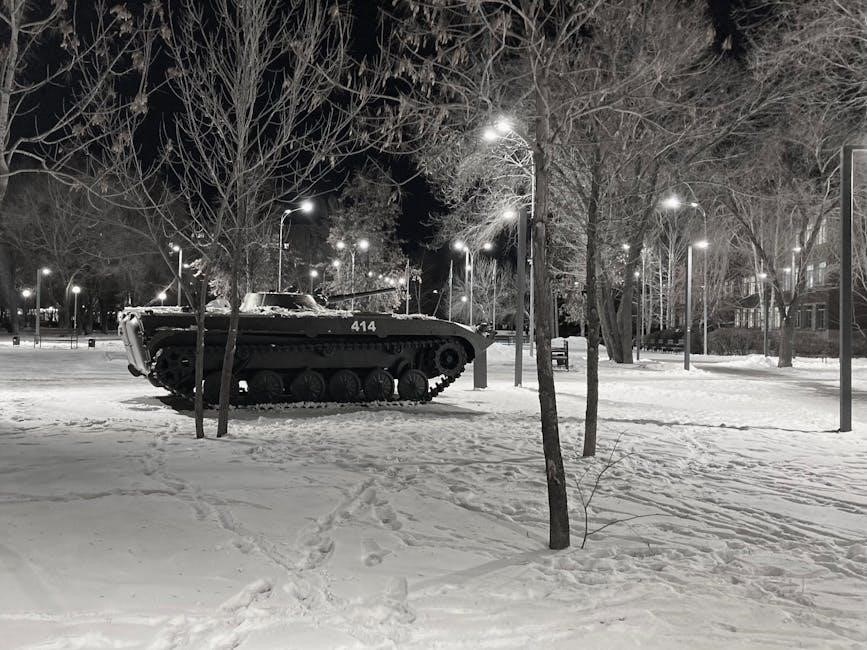
IV. Specific Maneuver Techniques
Successful urban tank operations hinge on mastering specific maneuver techniques tailored to the environment. These techniques prioritize controlled movement, maximizing firepower, and minimizing vulnerability. Breaching obstacles – rubble, barricades, or blown structures – requires careful planning and execution, often utilizing specialized equipment or explosive charges.
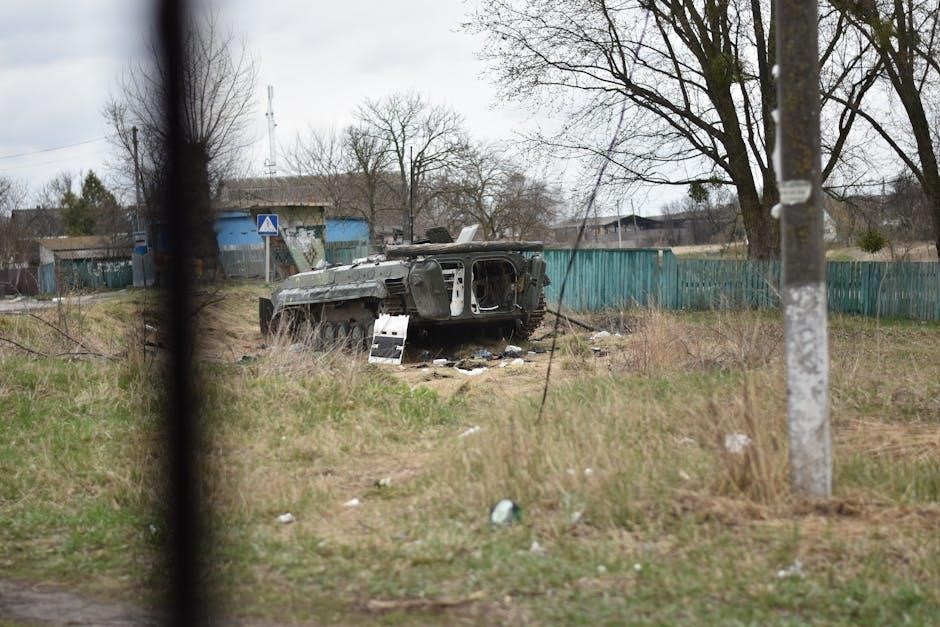
Building clearing support demands precise suppressive fire and overwatch, enabling infantry to safely enter and secure structures. Route selection is paramount; avoid predictable paths and potential kill zones, utilizing reconnaissance to identify the safest and most efficient routes. Slow, deliberate movement is crucial, allowing for constant observation and rapid reaction to emerging threats. Adaptability and improvisation are key to overcoming the unpredictable nature of urban terrain.
A. Breach Techniques: Creating Passages Through Obstacles
Creating passages through urban obstacles is a critical tank maneuver, demanding a methodical approach. Direct breaching, utilizing the tank’s dozer blade or main gun, is effective against rubble and weaker structures, but exposes the vehicle. Controlled ramming requires precise assessment of structural integrity to avoid immobilization. Explosive breaching, employing shaped charges or demolition, offers a more rapid solution but necessitates careful planning to minimize collateral damage and risk to friendly forces.
Creating a breach site also involves suppressing potential enemy fire from the obstacle and surrounding buildings. Smoke screens can provide temporary concealment during the breaching process. Post-breach security is vital, establishing a secure foothold and allowing for continued advance. Prioritize speed and efficiency while maintaining situational awareness.
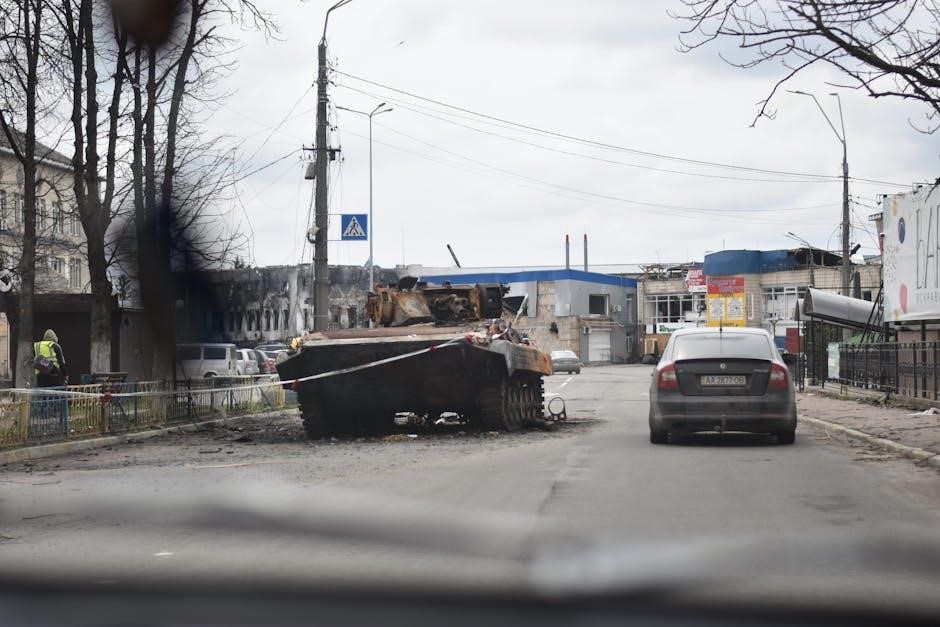
B. Building Clearing Support: Suppressive Fire & Overwatch
Tanks provide invaluable support during building clearing operations, primarily through suppressive fire and overwatch. Direct fire, utilizing coaxial machine guns or the main gun with appropriate ammunition, can neutralize enemy positions within structures, allowing infantry to advance safely. However, indiscriminate firing risks collateral damage and civilian casualties; precise targeting is paramount.

Overwatch positions, established by the tank, provide covering fire and observation, detecting and engaging emerging threats. Employing hull-down positions maximizes protection while maintaining a field of fire. Communication with the infantry team is crucial, coordinating fire support and identifying enemy locations. Prioritize minimizing risk to non-combatants and preserving the structural integrity of buildings when feasible.
C. Route Selection & Navigation: Avoiding Kill Zones
Careful route selection is critical for tank survival in urban terrain, focusing on avoiding predictable “kill zones.” Thorough reconnaissance, utilizing drones or forward observers, identifies potential ambush locations – narrow streets, intersections, and building facades. Prioritize routes offering multiple egress options and minimizing exposure to elevated firing positions.
Navigation relies heavily on detailed maps, supplemented by real-time intelligence and local knowledge. Avoid main thoroughfares, favoring secondary routes and alleyways where possible. Consider building construction and potential structural weaknesses that could impede movement or create obstacles. Constant vigilance for IEDs and pre-positioned anti-tank weapons is essential. Maintaining situational awareness and adapting routes based on evolving threats are paramount for mission success and crew safety.
V. Countering Urban Threats
Urban combat presents unique and pervasive threats to tank operations, demanding proactive countermeasures. Anti-Tank Guided Missiles (ATGMs) pose a significant danger, requiring rapid identification of launch sites and employing smoke screens or terrain masking for protection. Aggressive suppression of potential ATGM teams is crucial.
Improvised Explosive Devices (IEDs) necessitate slow, deliberate movement and vigilant observation of the roadway and surrounding structures. Utilizing route clearance packages and employing mine rollers or plows can mitigate IED risks. Engaging enemy infantry in close quarters demands precise firepower control to minimize collateral damage while effectively neutralizing the threat. Coordinated fire with supporting infantry is essential for clearing buildings and securing key terrain. Maintaining 360-degree security is paramount.
A. Dealing with Anti-Tank Guided Missiles (ATGMs)
ATGM threats in urban environments are exceptionally dangerous due to limited visibility and potential ambush points. Immediate response requires swift identification of the launch position – windows, rooftops, or concealed locations. Employing smoke dischargers creates a visual screen, disrupting the ATGM gunner’s line of sight and reducing accuracy.
Active Protection Systems (APS), if equipped, should be prioritized for immediate engagement of incoming missiles. Rapidly shifting tank position after ATGM detection can also defeat the missile’s guidance system. Suppressing fire directed towards suspected ATGM locations can deter further attacks. Coordinating with forward observers to call in artillery or air support against confirmed ATGM nests is vital. Maintaining situational awareness and anticipating potential ambush zones are key preventative measures.
B. Neutralizing Improvised Explosive Devices (IEDs)
IEDs pose a significant threat to tanks in urban terrain, often concealed within debris or vehicles. Prioritize route reconnaissance, utilizing observation posts and dismounted patrols to identify potential IED locations. Employing mine rollers or flails, if available, can detonate or clear IEDs ahead of the tank.
Maintaining standoff distance from suspicious objects is crucial; avoid direct contact. Utilizing the tank’s sensors, such as thermal imagers, can help detect anomalies indicative of IEDs. Reporting suspected IEDs to Explosive Ordnance Disposal (EOD) teams is paramount – do not attempt self-neutralization. Coordinating with infantry to secure the area before and after IED clearance is essential. Varying routes and avoiding predictable patterns can reduce the risk of encountering IEDs.
C; Engaging Enemy Infantry in Close Quarters
Urban environments frequently force tanks into close-quarters engagements with enemy infantry. Prioritize identifying enemy positions within buildings, alleys, and rubble. Employing coaxial machine guns and the main gun with appropriate ammunition (e.g., HE) is vital for suppressing and neutralizing infantry threats.
Avoid prolonged engagements in confined spaces where the tank’s mobility is restricted. Utilize smoke grenades to obscure enemy vision and create temporary cover. Coordinate with supporting infantry to clear buildings and provide close-in security. Be mindful of collateral damage and civilian presence when employing firepower. Employing observation posts and maintaining 360-degree awareness are crucial for detecting flanking maneuvers. Rapid target acquisition and accurate fire are essential for minimizing exposure to enemy fire.
VI. Advanced Tactics & Considerations
Beyond core principles, successful urban tank warfare demands adaptability and innovative tactics. Mastering the use of smoke and obscurants is paramount, creating cover for movement and disrupting enemy targeting. Exploiting verticality – utilizing rooftops for observation posts and elevated firing positions – provides significant tactical advantages.
Consider psychological warfare; the mere presence of a tank can demoralize enemy forces. Employ intimidation tactics like controlled demolitions or aggressive maneuvering. Advanced route planning anticipates potential ambush locations and incorporates contingency plans. Effective communication with supporting units is crucial for coordinated operations. Regular battle drills and scenario-based training enhance crew proficiency. Analyzing post-operation reports identifies lessons learned and refines future tactics.
A. Utilizing Smoke & Obscurants for Cover & Concealment
Smoke and obscurants are indispensable tools for urban tank operations, providing critical cover and concealment. Employing smoke screens effectively disrupts enemy observation and targeting, particularly from RPG and ATGM teams. Obscurants can mask movement, allowing tanks to reposition or breach obstacles undetected.
Consider wind direction when deploying smoke, ensuring it obscures the intended area without hindering friendly visibility. Coordinate smoke usage with infantry movements to create a combined arms effect. Utilize different types of smoke – for example, quick-deploying screens for immediate cover versus longer-lasting screens for sustained concealment. Be aware of obscurant limitations in windy conditions or open areas. Practice rapid smoke deployment drills to maximize effectiveness under pressure.
B. Exploiting Verticality: Rooftop Observation & Fire Positions
Urban environments offer unique opportunities to exploit verticality, enhancing tank situational awareness and firepower. Rooftops provide elevated observation posts, extending the tank’s line of sight and enabling early detection of enemy threats. Carefully selected rooftop positions can establish overwatch for advancing infantry or cover key avenues of approach.

However, rooftop operations require careful planning. Structural integrity must be assessed before positioning a tank on a roof. Consider potential collapse risks and ensure adequate support. Employ spotters to guide tank fire and identify potential hazards; Be mindful of limited egress routes and plan for rapid disengagement if necessary. Utilize thermal imaging to detect concealed enemies on adjacent rooftops. Coordinate with snipers positioned on nearby structures for enhanced security.
C. Psychological Warfare & Intimidation Tactics
The imposing presence of a tank inherently carries significant psychological weight in urban warfare. Commanders can leverage this to demoralize enemy forces and disrupt their cohesion. Strategic displays of force – maneuvering tanks visibly, even without engaging – can create a sense of vulnerability and fear among opposing combatants.
Controlled bursts of fire directed towards enemy strongpoints, even if not for direct destruction, can signal resolve and suppress enemy initiative. Utilize sound and visual intimidation; the roar of the engine and the sheer size of the vehicle are powerful tools. However, avoid indiscriminate fire that could harm civilians, as this will undermine the psychological effect and generate resentment. Combine these tactics with targeted loudspeaker broadcasts to amplify the message and encourage surrender.