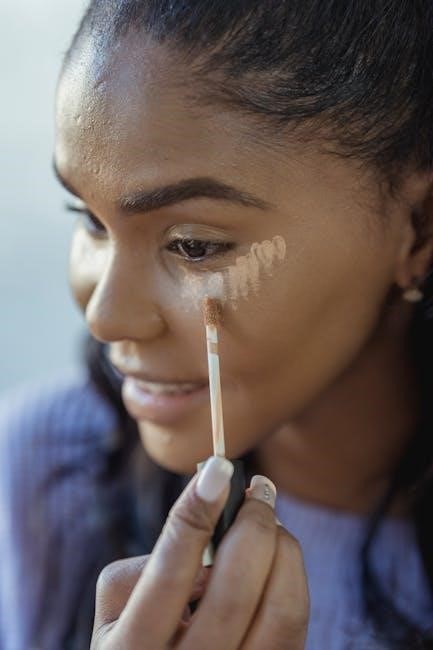
Foundation is a cornerstone in makeup, serving as a base to even skin tone and enhance natural beauty. It creates a smooth canvas for other products, ensuring a polished look. Available in various formulas like liquid, powder, and cream, foundation caters to different skin types and preferences. Whether for light coverage or full concealment, it’s a versatile essential in any makeup routine, offering customization to match individual skin tones and needs.
1.1 What is Foundation?
Foundation is a fundamental cosmetic product designed to create a uniform base tone on the skin. It is typically applied to the face to even out skin color, cover imperfections, and enhance natural beauty. Available in various forms such as liquid, powder, and cream, foundation serves as the first step in a makeup routine, providing a smooth canvas for other products. Its primary purpose is to balance skin tone, reduce the appearance of blemishes, and offer a natural or glamorous finish depending on the formulation.
Foundation can be categorized based on coverage, ranging from sheer to full, and is formulated to suit different skin types, including oily, dry, combination, and sensitive skin. It often contains additional benefits, such as SPF for sun protection, hydrating properties for dry skin, or oil-control ingredients for oily complexions. Some foundations are also infused with skincare actives, blurring the line between makeup and skincare.
The product is applied using tools like brushes, sponges, or fingers, depending on the desired finish. A well-chosen foundation can boost confidence by creating a flawless appearance, making it a staple in both everyday and special-occasion makeup routines. Its versatility and ability to adapt to individual needs make it a cornerstone in the world of cosmetics.
In essence, foundation is more than just a makeup product; it is a tool for self-expression and empowerment, allowing individuals to present their best version of themselves. Whether for subtle enhancement or dramatic transformation, foundation plays a pivotal role in achieving a polished and radiant look.
1.2 Importance of Foundation in Makeup
Foundation holds a pivotal role in makeup routines due to its ability to create a uniform and flawless base. It serves as the first layer of makeup, setting the tone for the entire look and ensuring that subsequent products adhere smoothly. One of the primary reasons for its importance is its ability to even out skin tone, reducing the appearance of blemishes, dark spots, and discoloration. This creates a canvas that appears more balanced and radiant, boosting confidence and enhancing natural beauty.
Another key aspect of foundation is its versatility. It is available in various formulations, from sheer to full coverage, catering to different skin types and preferences. Whether the goal is a natural, “no-makeup” look or a more dramatic, glamorous appearance, foundation can be tailored to achieve the desired effect. Additionally, many modern foundations are infused with skincare ingredients, such as hyaluronic acid, vitamin E, or SPF, offering dual benefits that nourish and protect the skin while providing coverage.
Foundation also plays a crucial role in enhancing facial features. By creating a smooth, even base, it allows other makeup products, such as blush, bronzer, and highlighter, to stand out and blend seamlessly. This ensures a cohesive and polished finish, making it an essential step for both everyday wear and special occasions. Moreover, foundation can be used strategically to contour or brighten specific areas of the face, further emphasizing one’s natural features.
In professional settings, such as photoshoots or red-carpet events, foundation is indispensable. It provides long-lasting coverage that withstands the demands of lighting and cameras, ensuring a flawless appearance in every frame. For individuals with specific skin concerns, such as acne or hyperpigmentation, foundation offers a reliable solution to conceal imperfections and restore confidence.
In summary, foundation is more than just a cosmetic product; it is a transformative tool that enhances beauty, boosts self-assurance, and serves as the backbone of any makeup look. Its ability to adapt to individual needs and preferences makes it an indispensable part of both personal and professional beauty routines.
Types of Foundation
Foundation comes in three primary forms: liquid, powder, and cream. Liquid foundation offers light to medium coverage and is ideal for hydrating dry skin. Powder foundation provides light coverage, absorbs excess oil, and is perfect for oily skin. Cream foundation is rich, moisturizing, and offers medium to high coverage, making it suitable for dry or mature skin. Each type caters to different skin types and preferences, ensuring a personalized makeup experience.
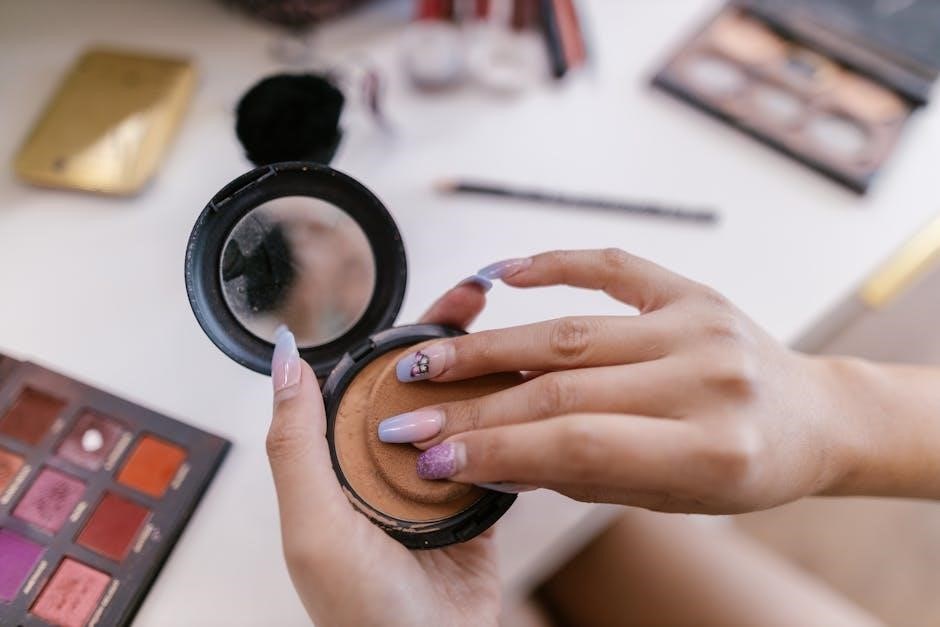
2.1 Liquid Foundation
Liquid foundation is one of the most popular and versatile forms of foundation, offering a wide range of coverage options from sheer to full. It is typically lightweight and blendable, making it ideal for achieving a natural, flawless finish. Liquid foundations are often infused with hydrating ingredients, making them suitable for dry or combination skin. They are also available in a broad spectrum of shades, catering to diverse skin tones and undertones.

One of the key benefits of liquid foundation is its ease of application. It can be applied using a brush, sponge, or even fingers, allowing for precise control over coverage. For a natural look, a small amount can be dotted across the face and blended evenly. For fuller coverage, layers can be built up gradually without feeling heavy or cakey. Many liquid foundations are also formulated with additional benefits, such as SPF for sun protection, anti-aging properties, or oil control for oily skin.
When selecting a liquid foundation, it’s important to consider your skin type and desired finish. For oily skin, look for oil-free or matte-finish formulas to minimize shine. For dry skin, opt for hydrating or dewy-finish options to enhance moisture. Some popular liquid foundations include the Laura Mercier Flawless Fusion Ultra-Longwear Foundation and the Makeup Forever Liquid HD Foundation, both known for their smooth texture and long-lasting wear.
Proper preparation of the skin is essential for a seamless application. Start with a primer to create an even base and extend the wear of your foundation. Apply the liquid foundation in thin layers, blending well into the hairline, jawline, and edges of the face for a natural-looking result. Set with a light dusting of powder if desired, especially in areas prone to oiliness.
In summary, liquid foundation is a highly adaptable and effective makeup product that suits various skin types and needs. Its fluid texture and customizable coverage make it a staple in many makeup routines, offering both simplicity and versatility for everyday use or special occasions.
2.2 Powder Foundation
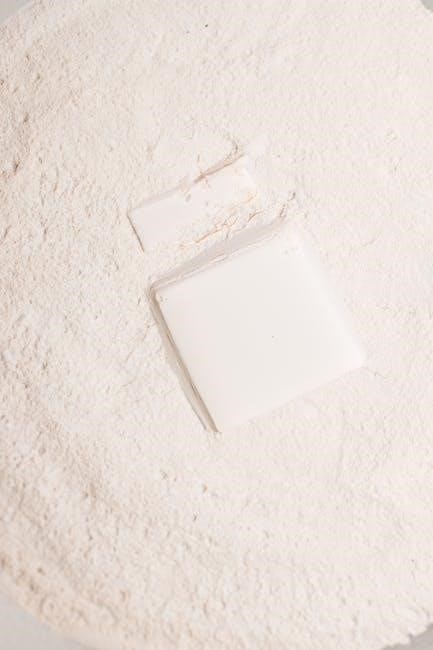
Powder foundation is a popular makeup product that combines the benefits of a foundation and a setting powder in one convenient formula. It is typically sold in a compact form, making it easy to carry and apply on the go. Powder foundation is ideal for those who prefer a lightweight, natural-looking base that controls shine and evens out skin tone without feeling heavy or cakey.
There are two main types of powder foundation: pressed and loose. Pressed powder foundation is the most common and is often preferred for its ease of use. It is firmly pressed into a compact and can be applied with a brush or sponge for a smooth, even finish. Loose powder foundation, on the other hand, is a finer, more powdery texture that is usually applied with a large brush. It offers more coverage and is often used for touch-ups throughout the day.
Powder foundation is particularly beneficial for oily skin, as it helps to absorb excess oil and reduce shine. It is also a great option for those with acne-prone skin, as many formulas are non-comedogenic and designed not to clog pores. Additionally, powder foundation can be used to set liquid or cream foundation, extending its wear and ensuring a long-lasting finish.
When applying powder foundation, it’s important to use the right tools. A kabuki brush or a makeup sponge can help to blend the product seamlessly into the skin, creating a natural-looking finish. For lighter coverage, apply the powder with light, sweeping strokes. For more coverage, press the brush or sponge gently into the skin and blend well. Be sure to target areas where you want to conceal imperfections or even out your tone.
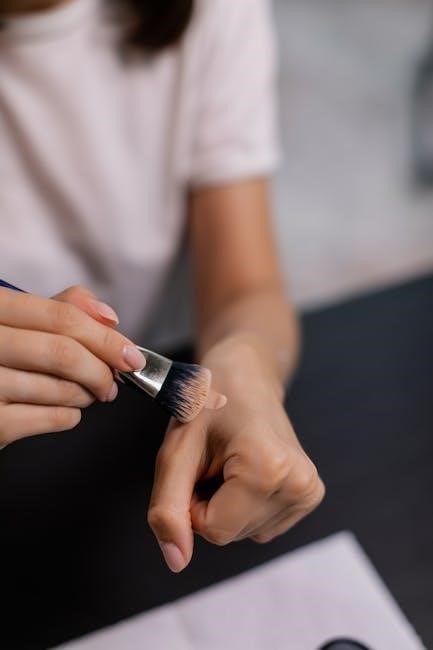
One of the key advantages of powder foundation is its portability and ease of use. It is perfect for quick touch-ups and can be applied without a mirror, making it a staple in many makeup bags. Many powder foundations also come with SPF, providing additional protection against the sun’s harmful rays.
In summary, powder foundation is a versatile and practical makeup product that offers a natural, matte finish. Whether you prefer pressed or loose powder, it is an excellent choice for everyday use, especially for those with oily or combination skin. Its convenience, portability, and ability to control shine make it a favorite among makeup enthusiasts and professionals alike.
2.3 Cream Foundation
Cream foundation is a rich and luxurious makeup product designed to provide medium to high coverage. It has a thick, emollient texture that glides smoothly onto the skin, making it ideal for those who want to cover imperfections, blemishes, and uneven skin tone. Unlike liquid or powder foundations, cream foundation is highly pigmented and offers a more dramatic transformation, making it a favorite for special occasions or for those who desire a flawless, airbrushed look.
One of the key benefits of cream foundation is its hydrating properties. It is often infused with moisturizing ingredients, making it suitable for dry or mature skin. The creamy formula helps to nourish and soften the skin while providing long-lasting coverage. Additionally, cream foundation is known for its ability to create a smooth, even finish that feels comfortable on the skin and doesn’t cake or settle into fine lines.
When applying cream foundation, it’s best to use a beauty blender or a kabuki brush for optimal results. Start by dotting a small amount of product onto key areas of the face, such as the forehead, cheeks, chin, and nose. Gently blend the foundation outward and upward, ensuring seamless coverage. Focus on areas where you want to conceal imperfections, such as blemishes or dark spots, and blend well for a natural-looking finish.

Cream foundation is also versatile in terms of finish. Depending on the formula, it can leave the skin with a luminous, dewy glow or a more matte appearance. Some products are designed to be buildable, allowing you to customize the level of coverage to suit your needs. For a more subtle look, apply a thin layer and blend thoroughly. For full coverage, layer the product as needed, ensuring not to overdo it to avoid a heavy, cakey effect.
Overall, cream foundation is a great option for anyone looking for a high-coverage, hydrating base that feels luxurious on the skin. Its rich texture and versatility make it a staple in many makeup routines, especially for those who want to achieve a polished, professional finish at home or for special events.

How to Choose the Right Foundation
Choosing the right foundation involves matching your skin tone, type, and desired finish. Test shades on your jawline to find a seamless match. For oily skin, opt for oil-free or matte formulas, while dry skin benefits from hydrating, dewy finishes. Consider coverage needs—light for natural looks, medium for everyday use, and full for special occasions. Finally, ensure the formula aligns with your lifestyle, whether long-wear, transfer-proof, or eco-friendly. This ensures a flawless, personalized base that enhances your natural beauty.
3.1 Understanding Skin Tones
Understanding your skin tone is crucial for selecting the right foundation. Skin tones are generally categorized into three main groups: cool, warm, and neutral. Cool tones often have a pink or rosy undertone, while warm tones lean toward yellow or golden. Neutral tones are a balanced mix of both. Identifying your undertone ensures your foundation blends seamlessly, avoiding mismatched hues that can make the skin appear unnatural.
To determine your skin tone, observe the color of the veins on the inside of your wrist in natural light. If they appear blue or purple, you likely have cool tones. Green veins indicate warm tones, while a mix suggests neutral undertones. Additionally, paying attention to how your skin reacts to jewelry—silver flatters cool tones, while gold complements warm tones—can provide further insight.
Foundation shades are designed to align with these undertones. Cool-tone foundations often have pink or blue undertones to counteract sallowness, while warm-tone foundations feature yellow or golden undertones to brighten and even out the complexion. Neutral foundations are versatile and work well for most skin tones, offering a balanced finish. Testing foundation on your jawline or neck ensures the shade melts into your skin naturally, creating an undetectable base.
Understanding skin tones also helps address specific concerns. For example, cool tones may benefit from foundations with a slight peach undertone to reduce redness, while warm tones can opt for formulas with a golden glow to enhance radiance. Neutral tones have the flexibility to experiment with various shades without worrying about clashing undertones. By aligning your foundation with your skin tone, you achieve a more natural, flawless look that enhances your complexion rather than altering it.
In summary, recognizing your skin tone—whether cool, warm, or neutral—is the first step in finding a foundation that complements your natural beauty. This understanding ensures your base makeup looks effortless and tailored to your unique features, setting the stage for a polished and radiant appearance.
3.2 Skin Type Considerations
Your skin type plays a significant role in determining the most suitable foundation for you. Whether your skin is oily, dry, combination, or sensitive, selecting the right formula ensures optimal coverage and comfort. Understanding your skin’s unique needs helps you avoid common issues like caking, oiliness, or irritation.
For oily skin, look for oil-free, non-comedogenic foundations labeled as “matte” or “long-lasting.” These formulas are designed to control shine and minimize pores without clogging pores. Powder foundations are also an excellent option, as they absorb excess oil and provide light to medium coverage. Avoid heavy, creamy products that can exacerbate oiliness and lead to a greasy finish.
Dry skin benefits from hydrating foundations with moisturizing ingredients like hyaluronic acid or glycerin. Liquid or cream foundations are ideal, as they offer a smooth, dewy finish and help combat dryness. Avoid powder foundations, as they can accentuate flakiness and dry patches. Opt for buildable coverage to enhance your natural texture without feeling heavy.
Combination skin requires a balanced approach. Look for foundations labeled as “universal” or “suitable for all skin types.” Cream or liquid foundations with a satin or semi-matte finish work well, as they hydrate dry areas while controlling shine in oily zones. Avoid heavy or cakey formulas that can settle into fine lines or accentuate texture.
For sensitive skin, choose hypoallergenic, fragrance-free foundations to minimize the risk of irritation. Mineral-based or water-based formulas are gentle and non-irritating, making them ideal for sensitive complexions. Avoid foundations with harsh chemicals or heavy pigments that can cause redness or breakouts.
In summary, matching your foundation to your skin type ensures a comfortable, natural-looking finish. Oily skin thrives with matte, oil-free formulas, while dry skin benefits from hydrating liquids or creams. Combination skin requires balance, and sensitive skin needs gentle, hypoallergenic options. By considering your skin type, you can select a foundation that enhances your complexion while addressing its unique needs.

Foundation Application Techniques
Mastering foundation application is key to achieving a flawless, natural-looking base. The right technique ensures even coverage, enhances your skin’s texture, and prolongs the wear of your makeup. Whether you prefer a full-coverage finish or a light, sheer look, proper application makes all the difference.
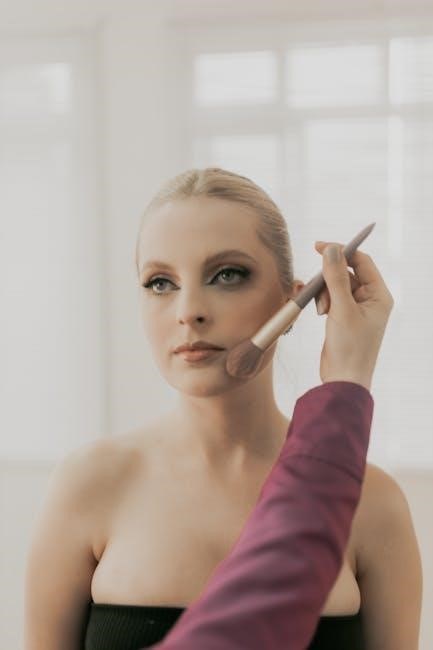
One popular method is the brush application. Using a foundation brush allows for precise coverage, especially around tricky areas like the under-eye and hairline. Dab the brush into the foundation and blend in soft, sweeping motions, starting from the center of your face and working outward. This technique is ideal for medium to full coverage and works well with liquid or cream foundations.
For a more natural finish, try the beauty blender or sponge. Dampen the sponge and bounce it gently across your skin, pressing the foundation into your pores for a seamless blend. This method is great for creating a light to medium coverage and works beautifully with liquid or serum foundations. Be sure to clean your sponge regularly to prevent bacteria buildup.
Using your fingers is another simple and effective technique. Warm the foundation by dabbing it onto your forehead, cheeks, chin, and nose, then blend it outward and upward with your fingertips. This method is perfect for sheer coverage and is ideal for dry or sensitive skin, as it avoids pulling or tugging.
Regardless of the method, proper preparation is essential. Start with a clean, moisturized face and apply a primer to create a smooth canvas. Allow the primer to set before applying foundation for optimal adhesion. Blend thoroughly, especially along the jawline and hairline, to avoid harsh lines. Finally, set your look with a light dusting of translucent powder to extend wear and reduce shine.
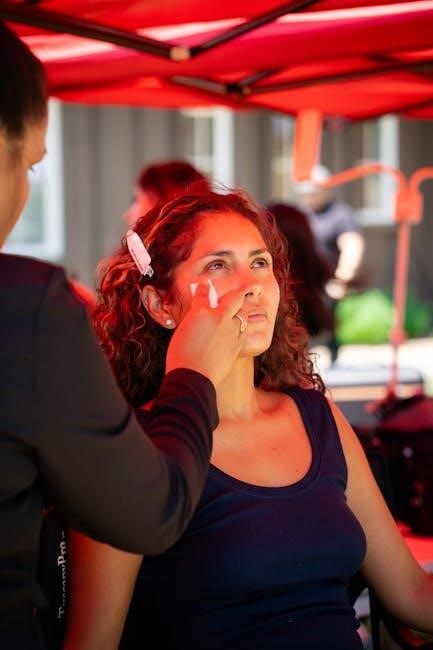
By choosing the right tool and technique for your skin type and desired coverage, you can achieve a professional-quality finish at home. Experiment with different methods to find what works best for you, and don’t forget to blend, blend, blend for a truly flawless result.